Frontline Training Maturity Assessment
A 5-level, 6-dimension self-assessment model to see where your operation's training stands and what to do next.
- PDF · 11 pages · 15 min
- For training, HR, EHS and operations leaders
What's inside
- A 5-level model, from reactive to adaptive training
- Level descriptors across 6 dimensions in one table
- A 24-item questionnaire with a simple scoring method
- Next steps and a 90-day checklist for each level
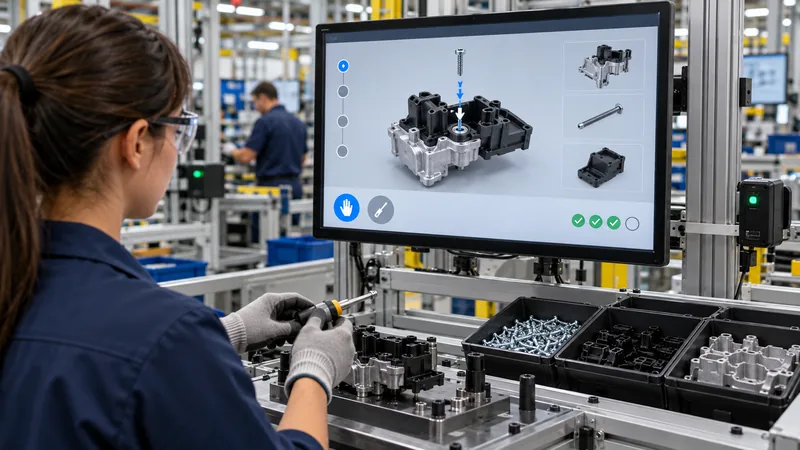
 ReportFrontline Training Maturity Assessment
Download it free
Leave your details and the download starts right away.
What it's about
In most operations, training exists, but it is hard to say how well it works. There are courses, sign-in sheets and certificates, and the same mistakes keep happening on the floor. This report offers a structured way to look at the problem: a maturity model with five levels (Reactive, Standardized, Practice-based, Measured and Adaptive) applied across six dimensions: content, practice, measurement, technology, governance and culture.
The model is not a benchmark and does not compare your company with others. It is a self-assessment tool: a 24-item questionnaire your team can complete in under an hour, a simple method to calculate scores by dimension and overall, and an interpretation guide with the next steps that make the most sense at each level.
The core idea is that maturity is not earned by adding more courses but by closing the gap between what is taught and what people actually do on the job. That is why the model puts the weight on deliberate practice and performance measurement, and treats technology as a means to those ends rather than an end in itself.
What you take away.
Training maturity shows up in what people do on the job, not in hours delivered or certificates issued.
Your real level is capped by your weakest dimension: strong content without practice or measurement stays at level 2.
For most operations, the biggest leap is from level 2 to 3: moving from explaining the procedure to practicing it.
Measuring decisions in work-like scenarios is what lets you prioritize reinforcement with data.
Move one dimension and one level at a time, with a 90-day pilot on a critical role.
More reports and whitepapers.
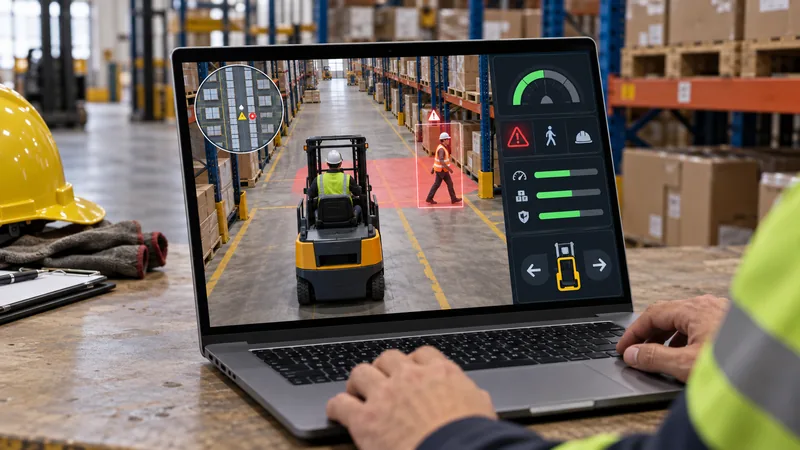 WhitepaperLearning by Doing: Why Simulation Beats Traditional TrainingWhitepaper · 10 pagesLearning by Doing: Why Simulation Beats Traditional TrainingForgetting curve, deliberate practice and safe failure: why simulating real work beats traditional courses, and which processes to simulate first.
 WhitepaperFrom Compliance to Prevention: Safety Training with SimulationWhitepaper · 10 pagesFrom Compliance to Prevention: Safety Training with SimulationWhy sign-in sheets don't change behavior, which high-risk tasks are worth simulating, and how to measure and document practice.
 WhitepaperGenerative AI in Frontline TrainingWhitepaper · 9 pagesGenerative AI in Frontline TrainingUse cases, risks and a governance framework for AI tutors and roleplays with frontline teams, plus a phased roadmap and a pilot checklist.