- Corporate learning
- Reading Time: 4 Min

Introduction: The evolution of performance in the Corporate World
In companies, the performance evaluation is a process that analyzes both qualitative and quantitative information to identify progress, achievements and areas for improvement in training. This is where it becomes a talent management tool,guiding decisions, adjusting strategies, and focusing training on concrete results. Its purpose is not to grade but to generate useful evidence that improves learning and performance. generate useful evidence to improve learning and performance.
This is why competency-based evaluation has gained relevance. Rather than measuring knowledge, it allows companies to precisely identify what each person knows how to do, at what level of proficiency, and how their learning translates into performance.
What is competency-based evaluation?
Competency-based evaluation involves checking whether an employe can apply their knowledge, skills and attitudes in real or simulated situations, according to a performance standard. The goal is not for them to memorize information, but to correctly execute a task relevant to their role..
“Competency-based evaluation focuses on what a person can do, rather than what they know, and is based on collecting evidence to determine if the competency has been achieved.”
Commonwealth of Learning (2024)
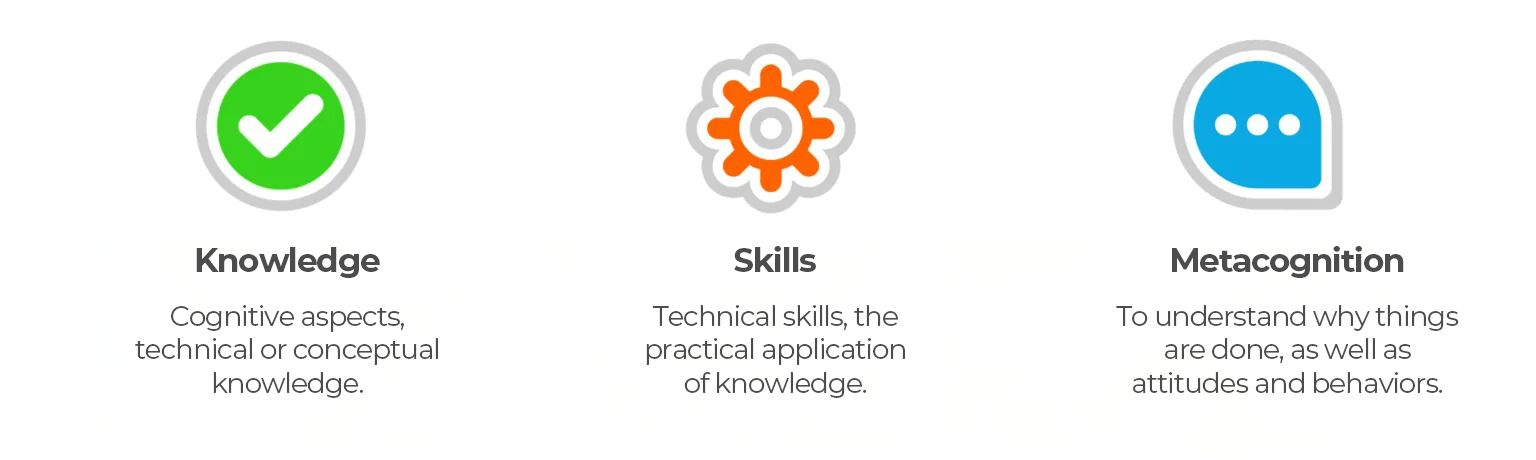
Competency-based evaluation requires gathering information on all aspects of competencies, i.e.:
Why does it work in organizations?
The competency-based approach has been consolidated as a talent and productivity management tool. Its effectiveness relies on three key factors:
- Direct connection to performance: Training aligns with job requirements, not generic content.
- Objective evaluation: Evidence comes from tasks or simulations, not perceptions.
- Applicable learning: People train in contexts that replicate their real job environments.
Studies from Revista Docentes 2.0 (2023), show that programs with simulators significantly improve performance and understanding of knowledge compared to traditional courses. In terms of productivity, O-Lab and other platforms report reductions of up to 30% in operational errors when using practical learning methodologies.
The Trend in Latin America
The region is advancing towards certification and training systems based on competencies.
- Mexico:This model is gaining strong traction in 21st-century organizations as a strategic approach to managing people and competencies (Rosso, 2023).
- Colombia: SENA maintains national labor competency standards that serve as a reference for companies in the industrial and energy sectors.
- Latin America: A regional review (García-Rubio et al., 2023) highlights a sustained trend toward adopting competency-based management models as a framework for organizational development. sustained trend towards the adoption of competency-based management models as a framework for organizational development.
In all cases, the objective is the same: to certify demonstrable performance, not just to accredit training. certify verifiable performance and not just accredit training.
The Technological Evolution: Simulations and Intelligent Tutors
Technology has expanded the reach of competency-based evaluation. Today, companies can monitor their teams' performance through digital simulations and AI-powered intelligent tutors,which automate observation, feedback, and progress measurement.
Simulations
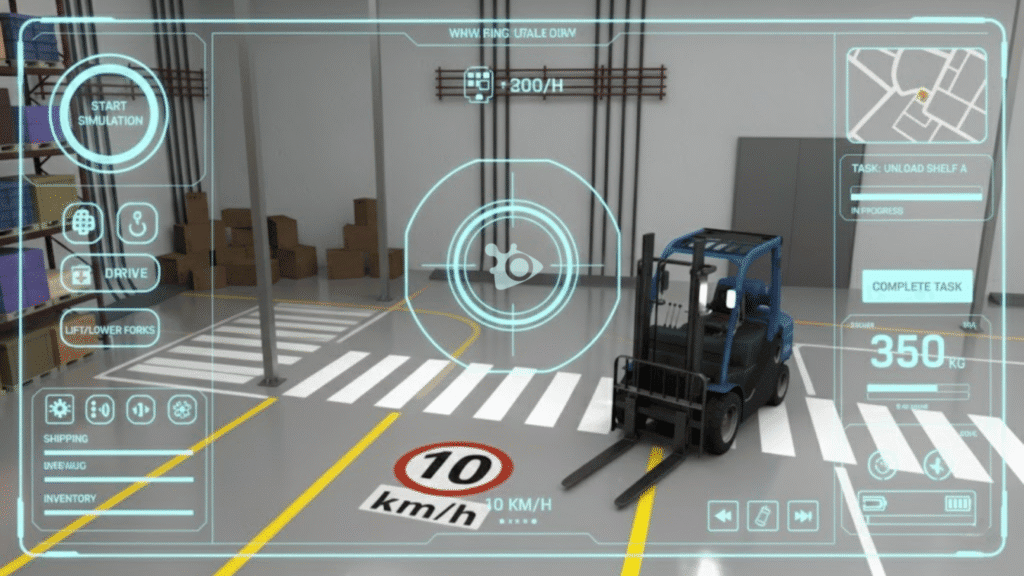
Virtual environments allow for the reproduction of critical situations (such as plant operations, safety protocols, or customer service) without real risk. The study The Impact of Simulators on Learning (2023) showed significant improvements in understanding and application when participants learn through interactive scenarios.
Intelligent tutors
AI-powered tutors analyze decisions, timing, and behaviors within the simulation and provide immediate feedback. According to Smart Learning Environments (2023), AI “adapts instruction to the pace, style, and proficiency level of each learner.” This enables personalized evaluation and accelerates closing skill gaps.

How to Transition to This Model
The transition to a competency-based evaluation supported by technology can be achieved gradually:
- Define critical competencies: Identify the critical competencies in your company that differentiate average from excellent performance, and describe them in terms of observable behaviors.
- Design learning experiences: Convert each competency into a simulated situation that allows you to observe decisions, response times, and results. The goal is to see how the person acts, not just what they remember.
- Implements intelligent learning environments: Use platforms like O-Lab to create personalized simulations, integrate pathways, and capture performance evidence directly from practice.
- Integrates artificial intelligence for monitoring: Intelligent tutors record interactions, analyze errors, and suggest personalized reinforcement.
- Measure, compare and improve: Set up dashboards that display competency mastery and its correlation with real-world performance. Turn data into decisions to optimize training.
The result is a fairer, more transparent, and efficienttraining system centered on evidence and continuous improvement.
A new way to learn and evaluate
Competency-based evaluation redefines the purpose of training: not to train for the sake of compliance, but to train for better performance. By integrating simulations and intelligent tutors, companies turn training into an active, measurable and goal-aligned process. Learning stops being an operational expense and becomes a strategic investment supported by data and performance.
Would you like to learn how to implement competency-based evaluations with the help of scenario simulators and intelligent tutors from O-Lab? Schedule a personalized consulting session and let's take your training strategy to the next level.